Your basket is empty

Dehydration in dogs is a serious issue that can lead to severe health problems and, in extreme circumstances, the animal's death. It occurs when a dog loses more bodily fluids than it consumes, resulting in a deficiency of water and electrolytes. Understanding the causes and recognising the signs of dehydration can help dog owners take swift actions to prevent complications and ensure their pet's health and well-being.
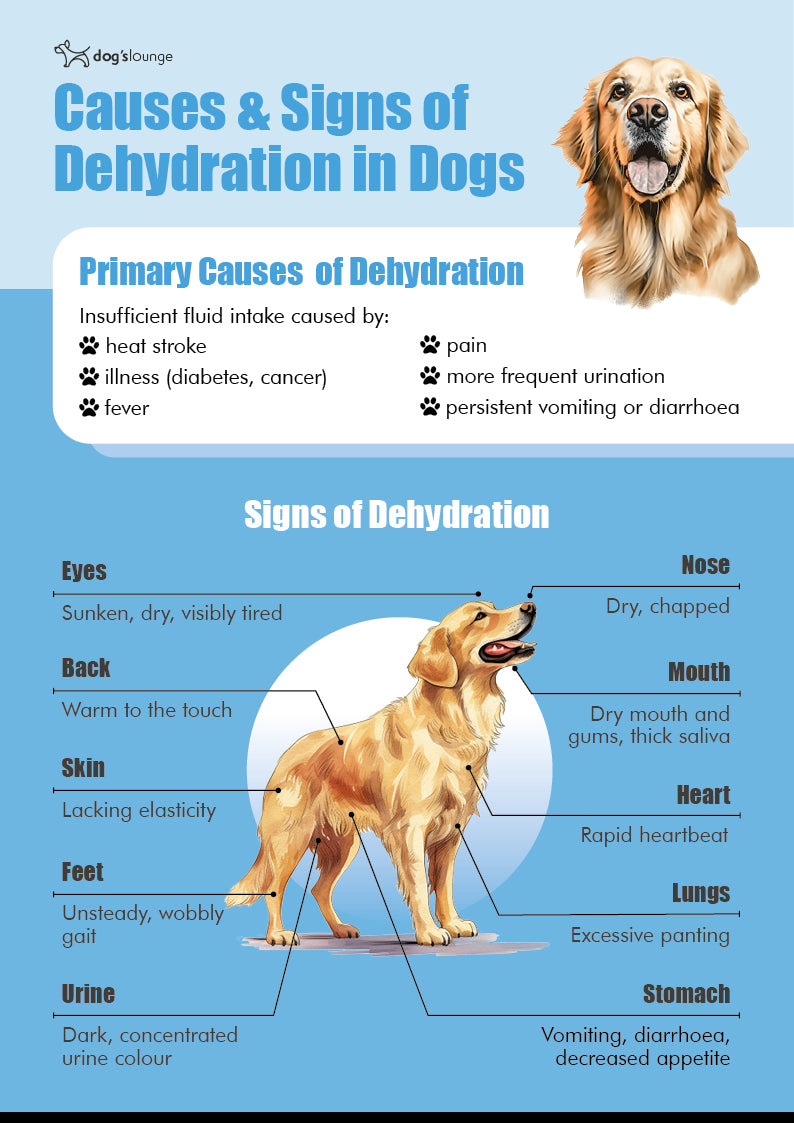
Dehydration in dogs can arise from various factors, often involving increased fluid loss or decreased fluid intake. Some common causes include:
When a dog's body reaches a stage where its usual water consumption is insufficient to counterbalance the loss of fluids, there is a consequent decline in both blood flow and fluid volume. This situation leads to a diminished supply of oxygen to the body's organs and tissues. Moreover, dehydration in dogs precipitates a depletion of vital electrolytes, including sodium, chloride, and potassium. These essential minerals perform several critical roles within the body, such as:
In the gravest instances of dehydration in dogs, an acute shortage of fluids can precipitate the failure of vital organs, including the kidneys.
Recognising the signs of dehydration in dogs is crucial for early intervention. Some common symptoms include:
Prevention is key when it comes to dehydration. Ensure your dog has constant access to clean, fresh water. During hot weather or after exercise, monitor your dog closely for signs of overheating and increase their water intake. If your dog shows signs of dehydration, encourage them to drink small amounts of water and contact a veterinarian immediately. In severe cases, intravenous or subcutaneous fluids may be necessary to rehydrate your dog and restore electrolyte balance.
Dehydration in dogs is a preventable condition with potentially serious consequences. By understanding its causes and recognising the early signs, dog owners can take swift action to ensure their pets remain healthy and hydrated. Always consult a veterinarian if you suspect your dog is dehydrated, as they can provide the necessary treatment and guidance to address the underlying cause and prevent future occurrences.


Are all dog chews really as safe as they seem? This guide highlights ten higher-risk options, from antlers and rawhide to nylon toys and dense bones, and explains why choosing safer, size-appropriate alternatives can better protect your dog’s teeth, digestion, and overall health.


Raw feeding can be highly beneficial, but common mistakes like poor protein rotation, nutrient imbalances, and oversupplementation can impact your dog’s health. This guide highlights the key principles for keeping a raw diet balanced, varied, and biologically appropriate.


Is peanut butter safe for dogs? This guide explains how to choose the right jar, avoid dangerous ingredients like xylitol, manage calories and fat, and use peanut butter safely as an occasional treat.